

Course disclosure
- This educational program has been developed by CSL Vifor
- It is intended to provide pertinent data to assist healthcare professionals in forming their own conclusions and making decisions
- It is not intended to replace the judgment or experience of the attending provider or other medical professionals
- Case studies are fictional and intended for educational purposes only
- All prescribing decisions are the sole responsibility of the attending provider
When treating anemia associated with chronic kidney disease (CKD) a number of treatment options are available:1

Iron therapy

Erythropoietin-stimulating agents (ESAs)
Hypoxia-inducible factor-prolyl
hydroxylase inhibitors (HIF-PHIs)

Red blood cell (RBC) transfusion
In patients with anemia associated with CKD, including those with ESA hyporesponsiveness, ESAs and HIF-PHIs are not recommended for use in combination1
Iron therapy provides a method for direct iron supplementation and is recommended by KDIGO 2026 guidelines for the treatment of iron deficiency and anemia associated with CKD.1
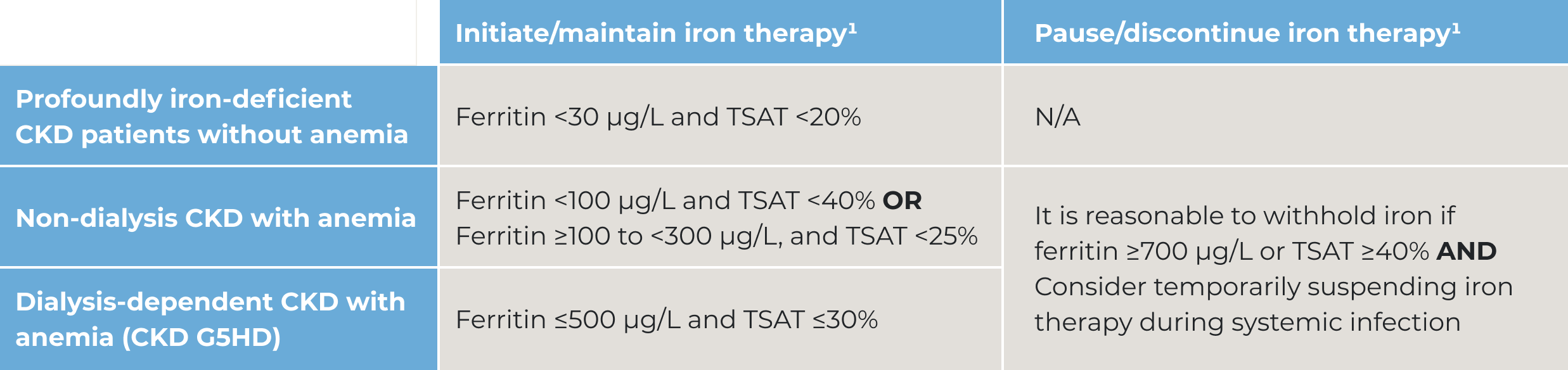
Iron therapy is managed in different types of CKD patients, based upon serum ferritin and transferrin saturation (TSAT) levels.1


Choosing the right form of iron for your patients
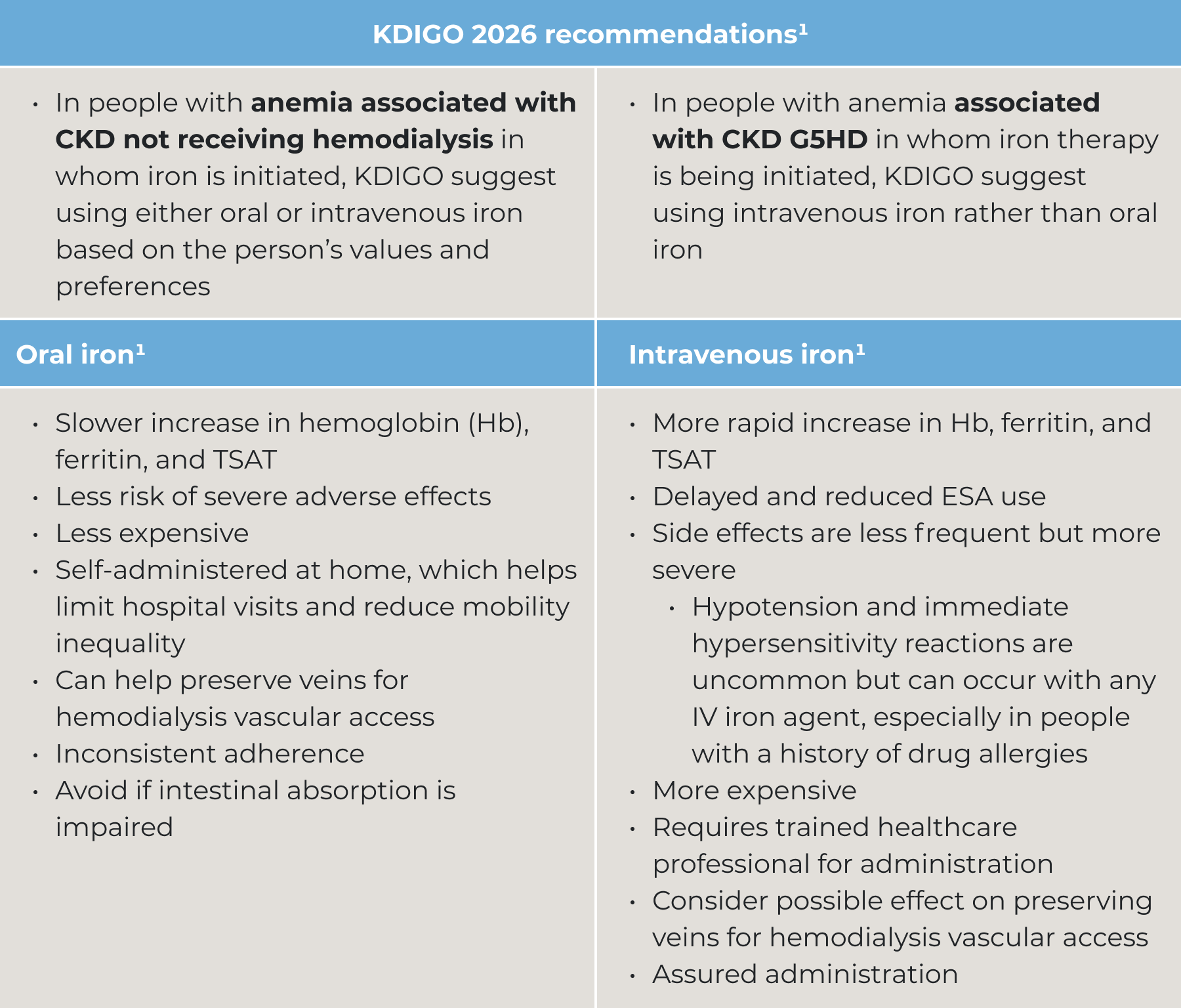
Iron therapy is available both orally and intravenously (IV), each with advantages and disadvantages that should be considered. However, recommendations on the most convenient form, based on dialysis dependence, are also provided by KDIGO.1
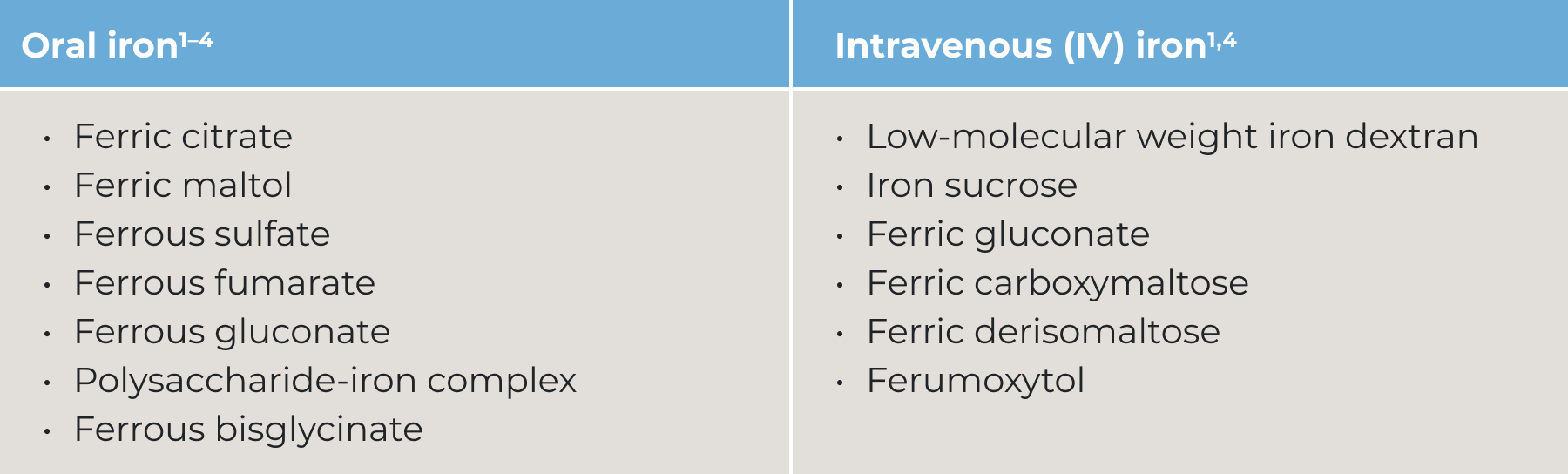
Iron therapy formulations
Managing iron therapy
Initiating IV iron
Prior to initiation of IV iron therapy, considerations pertaining to hypersensitivity reactions should include the following:1
- IV iron should only be administered if there is capability to manage acute hypersensitivity and hypotensive reactions
- IV doses of iron should not exceed the maximum dose/administration for the compound
- Pretreatment with corticosteroids or antihistamines is not routinely necessary
- Test doses of IV iron are not usually required, because lack of response does not predict the risk of hypersensitivity
Monitoring
KDIGO recommends that it is reasonable to test hemoglobin, ferritin, and TSAT every three months for those not receiving dialysis or CKD G5PD and every month for those with CKD G5HD.1
Circumstances warranting more frequent iron status testing:1
- Initiation of or increase in dose of ESAs or HIF-PHIs
- Episodes of known blood loss
- Recent hospitalization
- Important increase in ferritin or TSAT or exceeding target limit
Switching between oral and IV formulations
KDIGO recommends switching from oral to IV iron if there is an insufficient effect of an optimal oral regimen after one to three months or if tolerability is poor.1
Gastrointestinal absorption of oral iron can be impaired by factors such as inflammation, reduced gastric acid production, or interactions with other medications. Additionally, oral iron may cause gastrointestinal side effects like constipation, nausea, and abdominal discomfort, leading to poor adherence, while IV iron avoids these issues and improves patient compliance.1
ESA therapy is indicated and widely used for treatment of anemia associated with CKD. ESAs mimic human hormone erythropoietin to act as erythropoietin receptor activators, enabling erythroid development and increasing red cell production.5–9
Nevertheless, the decision to use ESA therapy should be made together with patients and consider each individual’s symptoms, potential for harm from RBC transfusions, and potential risk of adverse events (e.g. stroke, cardiovascular event, cancer).1

Prior to treatment
Correctable causes
It is important to address all correctable causes of anemia prior to initiation of treatment with an ESA.1
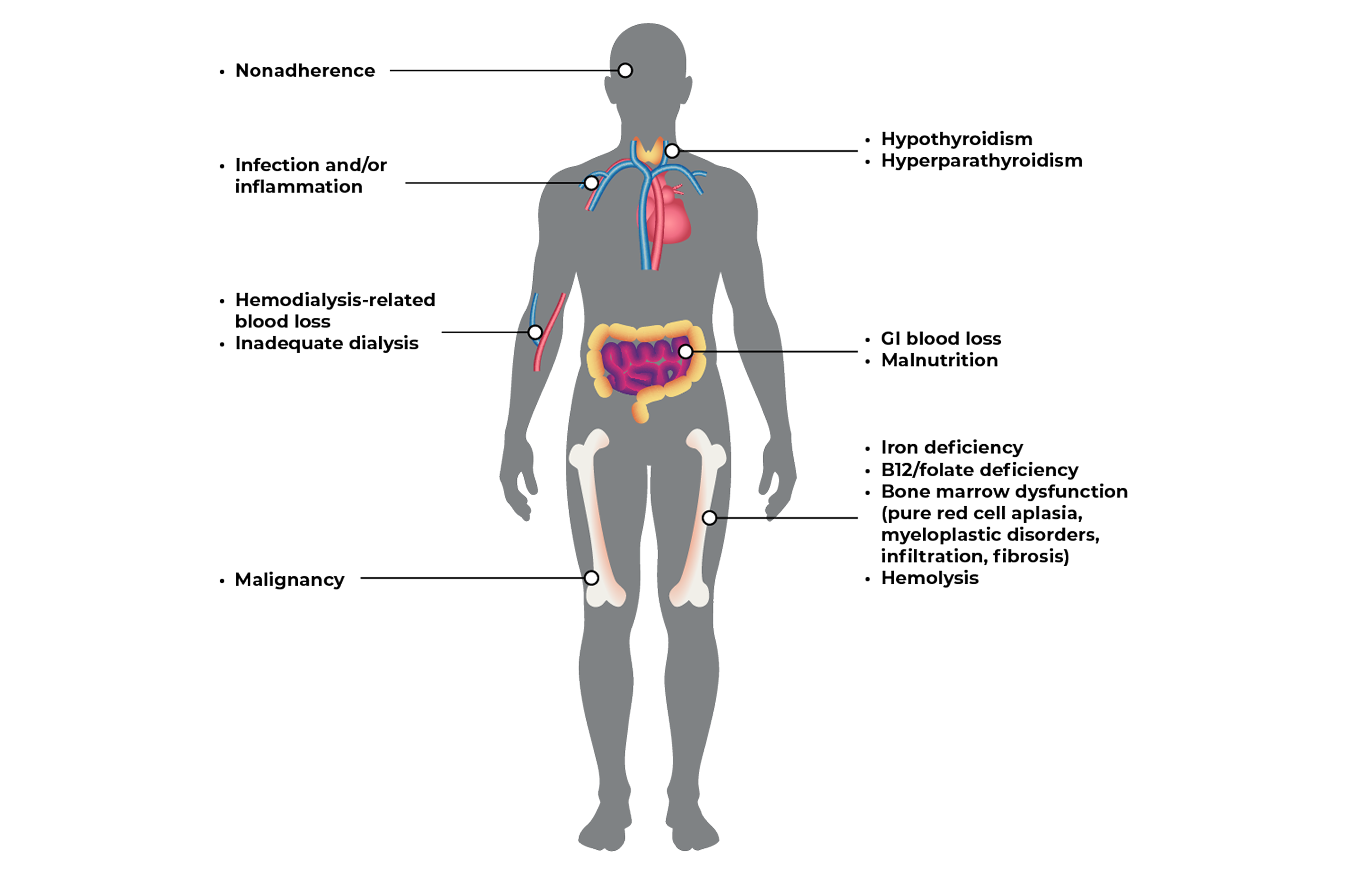
GI, gastrointestinal; Hb, hemoglobin.
Adapted from KDIGO 2026.1
In people with anemia associated with CKD in whom correctable causes of anemia have been addressed, KDIGO recommends using an ESA rather than a HIF-PHI as first-line therapy for treatment of anemia1
Choosing the right form of ESA for your patients

Available types of ESA therapy10

The ESA methoxy polyethylene glycol-epoetin beta has been designed to have a long systemic half-life that is similar across intravenous and subcutaneous administration. This provides methoxy polyethylene glycol-epoetin beta with a prolonged dosing frequency in clinical practice, regardless of route of administration.5–9
Half-life of ESA therapy by treatment type and administration route5–9
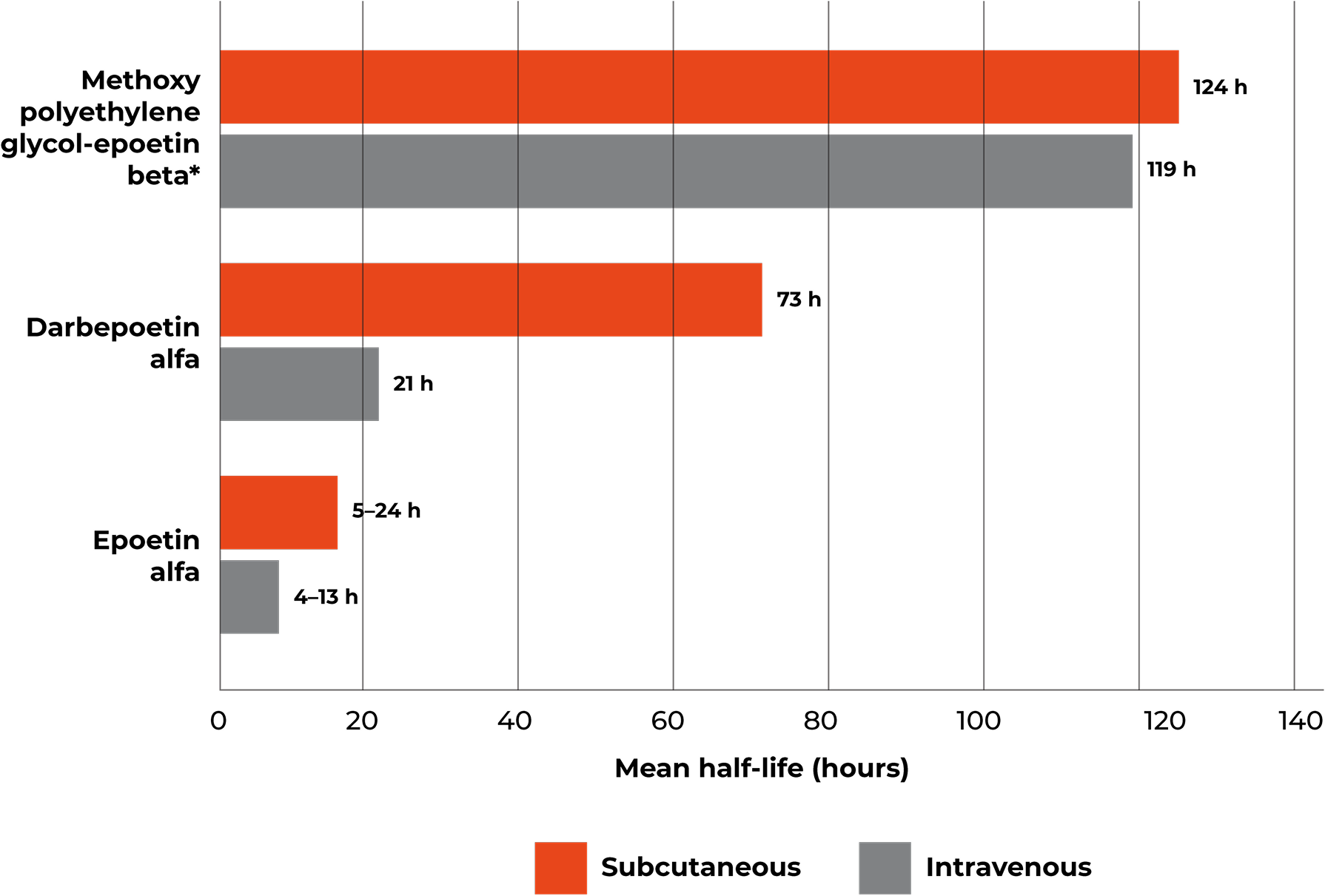
Data from USPIs – Not considered a head-to-head comparison.
*Methoxy polyethylene glycol-epoietin beta half-life was calculated as geometric mean value in the peritoneal patient population. The Mircera arithmetic mean half-life value is 134 h intravenous and 139-142 h subcutaneous.
When deciding on a route of ESA administration, KDIGO recommendation is based on a dialysis status:1
In hemodialysis-dependent (CKD G5HD) patients, choosing the ESA administration route (IV vs. subcutaneous) should be based on patient preferences, local practices, and costs.
In patients not receiving dialysis, CKD G5PD, or kidney transplant recipients, administering ESA subcutaneously may be more convenient.
- Subcutaneous administration avoids the need for IV access and allows for self-administration at home
Initiating ESA therapy
When to initiate therapy

Hemoglobin (Hb) <10.0 g/dL5–9
US Prescribing Information recommendation in dialysis-dependent patients: Initiate ESA treatment when the hemoglobin level is less than 10 g/dL.5–9
US Prescribing Information recommendation in non-dialysis patients:
Consider initiating ESA treatment only when the hemoglobin level is <10 g/dL and the following considerations apply:5–9
- The rate of Hb decline indicates the likelihood of requiring a RBC transfusion and,
- Reducing the risk of alloimmunization and/or other RBC transfusion-related risks is a goal
KDIGO recommendation in dialysis-dependent patients:
Initiate ESA therapy when the Hb concentration is ≤9.0–10.0 g/dL.1
- Patients who are at higher risk for adverse events from ESA treatment, such as those with a recent stroke or recurrent HD access thrombosis, may be more likely to prefer ESA initiation when Hb is closer to 9.0 g/dL, thus delaying or potentially avoiding ESA treatment1
- Whereas, patients with lower cardiovascular risk and symptoms or reduced exercise capacity attributable to anemia, and people who especially prefer to avoid RBC transfusions (e.g., those being considered for kidney transplantation) may be more likely to prefer ESA initiation when Hb is closer to 10.0 g/dL1
KDIGO recommendation in non-dialysis patients:
In patients not receiving dialysis, including kidney transplant recipients, the selection of Hb concentration at which ESA therapy is initiated should consider the presence of symptoms attributable to anemia, the potential benefits of higher Hb concentration, and the potential harms of RBC transfusion or receiving ESA therapy.1
- The Hb concentration for ESA initiation should be individualized and for most people should be 8.5–10.0 g/dL.1
Initial dosing
The initial dose of ESA should be determined by the Hb concentration of the person, their body weight, and clinical circumstances.1
Based on the formulation of ESA, frequency of administration can vary from multiple times a week to once every four weeks.5–9 For example, the recommended starting dose of methoxy polyethylene glycol-epoetin beta for the treatment of anemia in adult CKD patients on dialysis who are not currently treated with an ESA is 0.6 mcg/kg body weight, administered once every two weeks as a single intravenous or subcutaneous injection. Once the hemoglobin has been stabilized, methoxy polyethylene glycol-epoetin beta may be administered once monthly using a dose that is twice that of the every-two-week dose and subsequently titrated as necessary.5
Refer to individual product Prescribing Information and local protocols for specific dosing recommendations.
Regardless of the type of ESA chosen, ESAs should be administered using the lowest dose possible that achieves and maintains treatment goals.1,5–9
Managing maintenance therapy
Monitoring of therapy

Following the initiation of ESA therapy or change in dose, KDIGO recommends to monitor Hb every 2–4 weeks and adjust the dose accordingly to achieve target Hb and avoid a rapid rise of >1.0 g/dL during that interval.1
- Monitoring of ESA therapy is important to detect rapid rises in Hb, which can increase risk of adverse events such as hypertension and cardiovascular events1
- To avoid a rapid decline in Hb, KDIGO suggests to consider reducing the ESA dose rather than holding ESA therapy, as long as Hb does not exceed 11.5 g/dL1
During the maintenance phase of ESA therapy, monitor Hb level at least once every 3 months.1
- A minimum frequency of 1–3 months is suggested, with more frequent monitoring suggested among people with CKD G5HD where trial data shows dose adjustments were required in 40%–50% of people during the maintenance phase of ESA therapy1
Treatment targets
US Prescribing Information recommendation for dialysis-dependent patients:
If the Hb level approaches or exceeds 11 g/dL, reduce or interrupt the dose of ESA therapy.5–9
US Prescribing Information recommendation for non-dialysis patients:
If the Hb level exceeds 10 g/dL, reduce or interrupt the dose of ESA, and use the lowest dose sufficient to reduce the need for RBC transfusions.5–9
KDIGO recommendations for adult CKD patients:
Hb <11.5 g/dL.1
Dose adjustment
Refer to individual product Prescribing Information and local protocols for specific dose adjustment recommendations. However, for all short- or long-acting ESAs:5–9
- Doses should not be increased more frequently than once every 4 weeks
- Decreases in dose can occur more frequently
- Frequent dose adjustments should be avoided
- A single hemoglobin excursion may not require a dosing change
Stopping ESA therapy

Pure red cell aplasia (PRCA)
Hospitalization for acute stroke, vascular access thrombosis, or thromboembolic events
Discuss case when patient has active cancer or a history of cancer
ESA therapy is contraindicated in patients with PRCA that begins after treatment with an ESA
Cases of PRCA and of severe anemia, with or without other cytopenias that arise following the development of neutralizing antibodies to erythropoietin have been reported in patients treated with ESAs. Permanently discontinue ESA therapy in patients who develop PRCA during treatment. Do not switch patients to other ESAs as antibodies may cross-react.5–9
It is reasonable to suspend ESA during hospitalization for acute stroke, vascular access thrombosis, or thromboembolic events. Individualize consideration for ESA reinitiation based on patient characteristics, Hb level, and preferences regarding risks and benefits of ESA treatment.1
In patients with CKD, anemia, and active cancer or a history of cancer, use shared decision-making regarding continuation or discontinuation of ESA therapy based on patient preferences and anticipated outcomes, especially when treatment is aimed at cure.1
HIF-PHIs enable erythropoiesis in patients with CKD by increasing the level of erythropoietin (EPO). HIF-PHIs are reversible inhibitors of HIF-prolyl-4-hydroxylases PH1, PH2, and PH3. This activity results in the stabilization and nuclear accumulation of HIF-1ɑ and HIF-2α transcription factors, and increased production of EPO.11,12
The HIF pathway also facilitates iron metabolism, as it regulates genes involved in iron uptake, release from internal stores, and transport.13
Prior to treatment
Correctable causes
Address all correctable causes of anemia prior to initiation of treatment with HIF-PHI.1
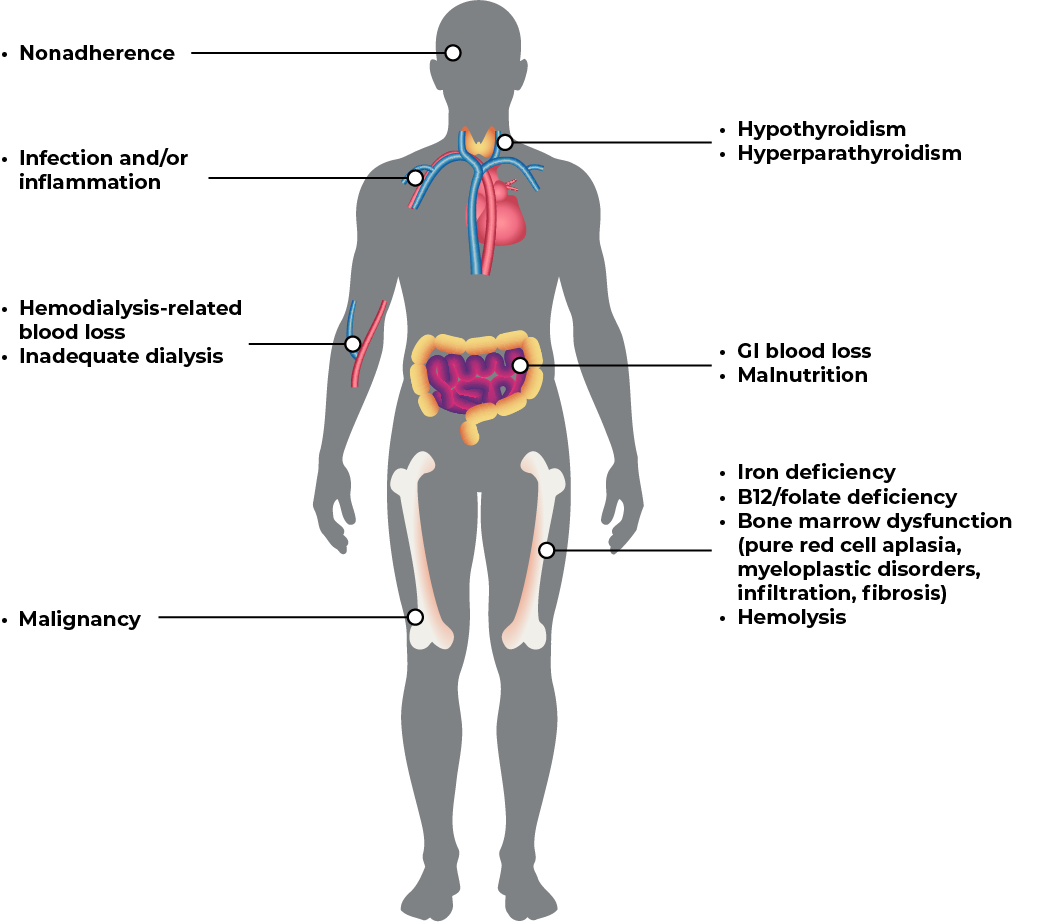
GI, gastrointestinal; Hb, hemoglobin.
Adapted from KDIGO 2026.4
In people with anemia associated with CKD in whom correctable causes of anemia have been addressed, KDIGO recommends using an erythropoietin-stimulating agent (ESA) rather than a HIF-PHI as first-line therapy for treatment of anemia.1
Safety considerations
In people with anemia associated with CKD, KDIGO recommends that HIF-PHIs should be avoided in those at increased risk for adverse events.1
Considerations for people with anemia associated with CKD, at risk for adverse events with HIF-PHI therapy:1
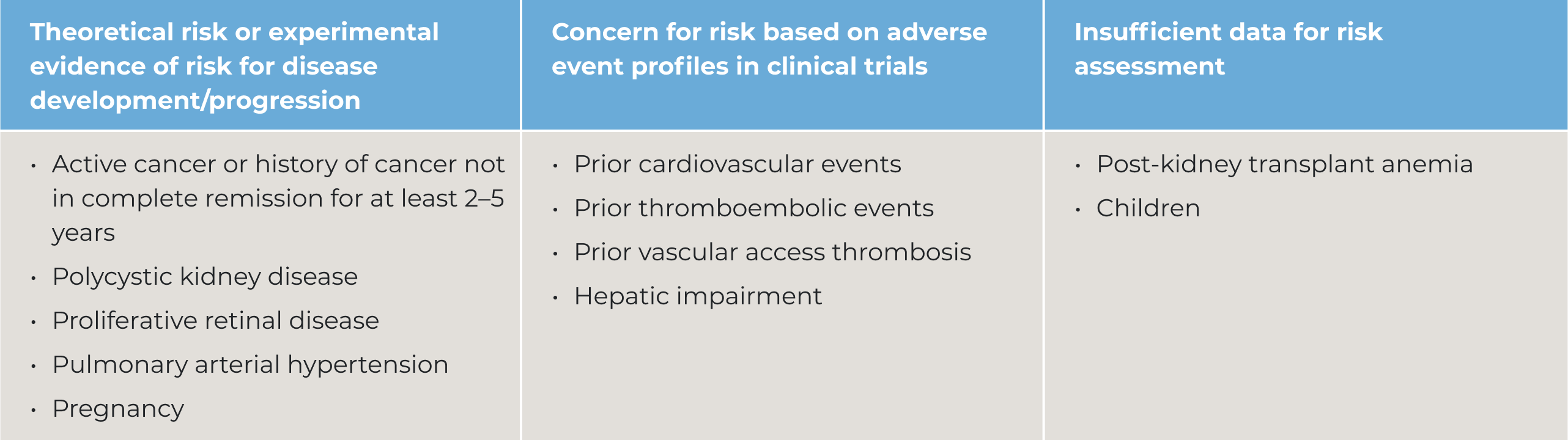
Available forms of HIF-PHIs
A number of HIF-PHIs exist globally, however only two are approved for use in the US and only for subset of patients with anemia associated with CKD:11,12,14
- Vadadustat
- Daprodustat
Initiating HIF-PHI therapy
When to initiate HIF-PHI treatment
Established dialysis patients Hemoglobin (Hb) <10.0 g/dL
US Prescribing Information for HIF-PHIs recommends initiation only in patients with anemia associated with CKD who have been receiving dialysis for at least three or four months. HIF-PHIs in the US are not approved for patients not receiving dialysis.11,12
The Hb thresholds for the initiation and maintenance of HIF-PHIs are unknown, but it is reasonable to use the same Hb thresholds as those recommended or suggested for ESA therapy.1
Managing HIF-PHI therapy
Dosing

Dose HIF-PHIs according to the recommended starting doses1

Do not escalate HIF-PHI doses beyond the recommended maximum dose1

Administer HIF-PHIs at the lowest dose needed to improve symptoms attributable to anemia and to avoid RBC transfusions1
Monitoring of therapy

Refer to individual product Prescribing Information and local protocols for other monitoring requirements (e.g. hepatic, cardiac, etc.).11,12
When dosing HIF-PHIs, monitor the Hb levels 2–4 weeks after initiation or dose changes and subsequently, every 4 weeks during therapy.1
- Monitoring of HIF-PHI therapy is important to reduce the risk of overshooting the Hb target, undesirable on-target effects at higher doses, and adverse events1
Treatment targets
US Prescribing Information recommendation for vadadustat:11
- If the Hb rises rapidly (e.g., more than 1 g/dL in any 2-week period or more than 2 g/dL in 4 weeks), interrupt or reduce the dose
- If the Hb level exceeds 11 g/dL, interrupt the dose of vadadustat until Hb is less than or equal to 11 g/dL, then resume with a dose that is 150 mg less than the dose prior to interruption
KDIGO recommendations for adult CKD patients:
The Hb thresholds for the initiation and maintenance of HIF-PHIs are unknown, but it is reasonable to use the same Hb thresholds as those recommended or suggested for ESA therapy.1
Stopping HIF-PHI therapy
After 3–4 months if desired erythropoietic response is not achieved1
If cardiovascular events, thromboembolic events, vascular access thrombosis, or newly diagnosed cancer are experienced1
If hepatic damage is observed11,12
Due to insufficient clinical information on the long-term safety of HIF-PHIs, other therapeutic options, such as ESAs, may be prudently considered in cases of insufficient erythropoietic response to HIF-PHIs.1
Vadadustat should be discontinued if there is persistent alanine aminotransferase (ALT) or aspartate aminotransferase (AST) >3 times the upper limit of normal (ULN) or if ALT or AST elevations >3 times the ULN are accompanied by a bilirubin increase >2 times the ULN.11
RBC transfusion provides a way to directly increase Hb concentration in the blood, helping to maintain sufficient oxygen-carrying capacity and improve anemia-related symptoms.1
However, RBC transfusions are associated with many potential risks that are uncommon but can be serious, including:1
- Transfusion errors
- Infections
- Transfusion-related acute lung injury (TRALI)
- Transfusion-associated circulatory overload (TACO)
- Hemolytic transfusion reactions
- Febrile nonhemolytic transfusion reactions
- Iron overload (with chronic transfusion dependence)
- Volume overload
- Citrate toxicity (leading to metabolic alkalosis and hypocalcemia)
- Coagulopathy
- Allosensitization
- Allergy
- Hypothermia
- Hyperkalemia
- Health-related errors
When to transfuse?
Healthcare providers must carefully balance the potential benefits and harms on a case-by-case basis, involving people with anemia associated with chronic kidney disease (CKD) and their families in a shared decision-making process.1
To aid the decision-making process, KDIGO provides and algorithm for guiding the use of RBC transfusion to treat anemia associated with CKD:1
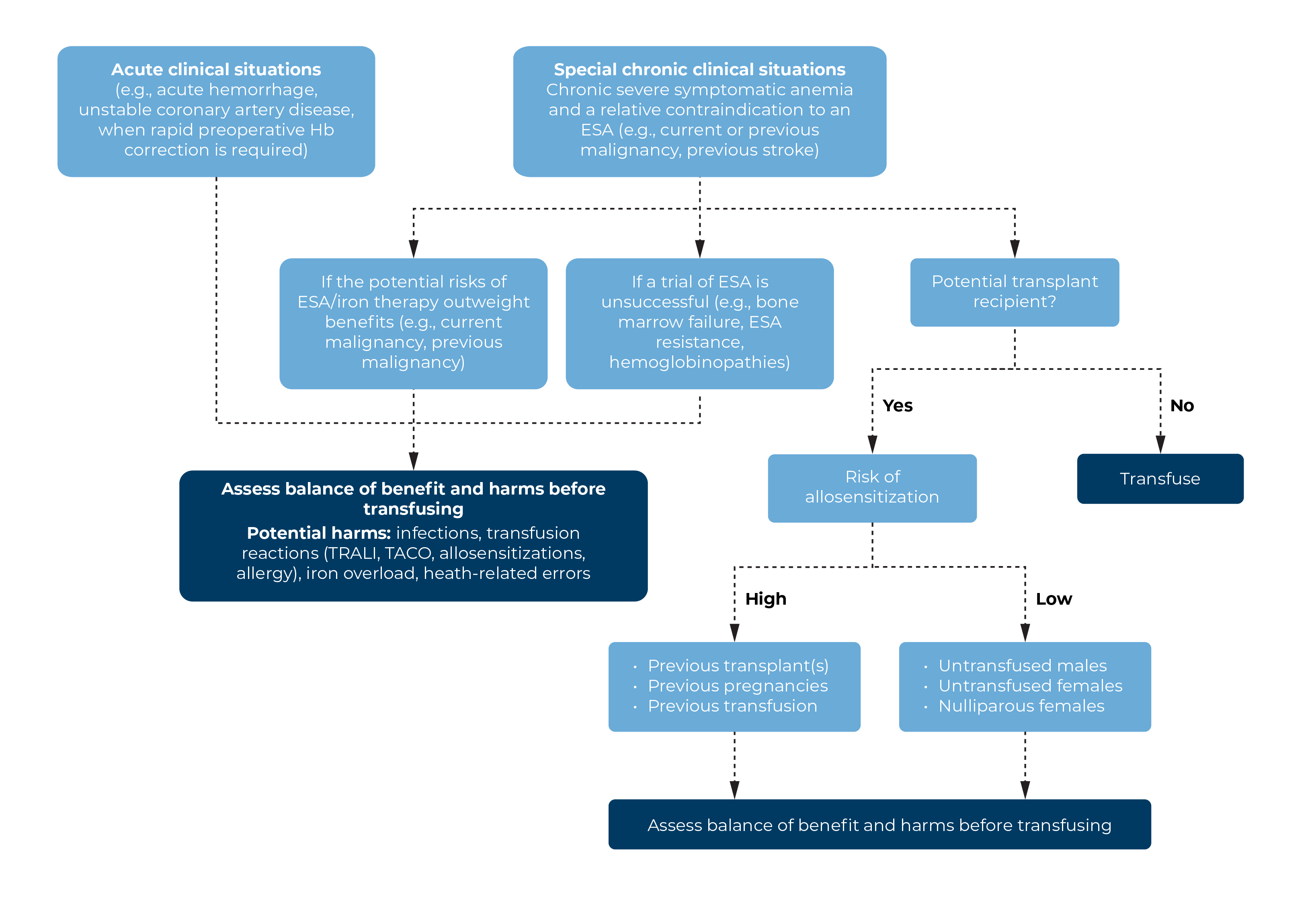
ESA, erythropoiesis-stimulating agent; Hb, hemoglobin; TACO, transfusion-associated circulatory overload; TRALI, transfusion-related acute lung injury.
Adapted from KDIGO 2026.1
Reducing RBC transfusions
To help minimize unnecessary RBC transfusions, several strategies are available:
- Opt for less invasive procedures in hospitalized patients wherever possible
- Limit phlebotomy Hypoxia-inducible factor-prolyl hydroxylase inhibitor (HIF-PHI) therapy in hospitalized patients unless contraindicated
- Consider Hb trend over time rather than absolute Hb values, in people using iron/ESA/HIF-PHI therapy
- Avoid RBC transfusion in patients with chronic anemia who are asymptomatic
- Individualize transfusion need based on the clinical situation
- In every patient with CKD, triage the decision for RBC transfusion on whether the person is a potential future transplant candidate
- Iron overload (with chronic transfusion dependence)



References

References
- Kidney Disease: Improving Global Outcomes (KDIGO) Anemia Work Group. 2026;109(1S):S1-S99.
- Auryxia Highlights of Prescribing Information. January 2024.
- Accrufer Highlights of Prescribing Information. March 2022.
- DeLoughery TG, Jackson CS, Ko CW, et al. AGA Clinical Practice Update on Management of Iron Deficiency Anemia: Expert Review. Clin Gastroenterol Hepatol. 2024;22(8):1575–1583.
- Mircera Highlights of Prescribing Information. June 2024.
- Epogen Highlights of Prescribing Information. April 2024.
- Procrit Highlights of Prescribing Information. April 2024.
- Retacrit Highlights of Prescribing Information. June 2024.
- Aranesp Highlights of Prescribing Information. January 2019.
- DailyMed. Search results for: Erythropoiesis-stimulating agent [established pharmacologic class]. Available from: https://dailymed.nlm.nih.gov/dailymed/search.cfm?labeltype=human&query=ERYTHROPOIESIS-STIMULATING+AGENT+%5BESTABLISHED+PHARMACOLOGIC+CLASS%5D Accessed: June 2026.
- Vafseo Highlights of Prescribing Information. March 2024.
- Jesduvroq Highlights of Prescribing Information. February 2022.
- Haase VH. Hypoxia-inducible factor–prolyl hydroxylase inhibitors in the treatment of anemia of chronic kidney disease. Kidney Int Suppl (2011). 2021;11(1):8–25.
- DailyMed. Search results for: Hypoxia-inducible factor. Available from: https://dailymed.nlm.nih.gov/dailymed/search.cfm?labeltype=all&query=Hypoxia-inducible+factor&pagesize=200&page=1 Accessed: June 2026.